How We’re Homeschooling Kindergarten: Our Simple, Secular Approach
Starting Kindergarten at home can feel a little overwhelming. There are so many options for curriculums, schedules, philosophies, and opinions about what a 5-year-old should be learning. For our family I wanted to keep things much simpler.
Our kindergarten year is focused on building strong foundations in reading, math, and handwriting while still leaving plenty of room for play, exploring outside, following interests, and just being little. We’re not trying to recreate a traditional classroom at our kitchen table, and definitely don’t have every detail figured out.
In this post, I’m sharing what we’re actually using for kindergarten, how I’m planning our days and year, and the resources and activities we’re using along the way. Whether you’re planning your own homeschool kindergarten year or you’re just curious what homeschooling kindergarten can look like, I hope our plans give you a few ideas, and maybe make the whole thing feel a little less complicated.
This post contains affiliate links. I may earn a small commission if you make a purchase through one of these links, at no additional cost to you. As an Amazon Associate I earn from qualifying purchases.
Why We Chose to Homeschool Kindergarten
Choosing to homeschool wasn’t about trying to recreate school at home, or believing there’s one right way for every family to approach education. We simply realized that, for this season of our family’s life, homeschooling gives us a kind of flexibility that we really value.
I love being able to meet my child where he is at instead of worrying too much about where he should be. Homeschooling gives us the option to spend a little extra time on something that’s tricky, or move ahead quickly when something clicks easily, and the opportunity for him to have more one-on-one time learning means school generally takes less time at home, leaving more opportunity for play or following his interests.
It also gives us the opportunity to build learning into the rest of our life. A morning outside can become a nature lesson, baking can be a math lesson, and interesting question can send us down an unexpected rabbit hole. We can keep our formal lessons relatively short and sweet and apply them with real world experiences.
Homeschooling also gives us the opportunity to plan our vacations and camping trips and other outings around what works for our family instead of trying to juggle work and school schedules and having to go to places when they’re busy because all the other families are there while kids are out of school.
More than anything, I want these early years of learning to feel exciting. Kindergarten doesn’t need to be rushed, and homeschooling gives us the opportunity to slow it down, follow his pace, and figure out what works for our family.
Our Approach to Kindergaten
Our approach to homeschool is pretty simple: keep formal learning short, build strong foundations, and leave plenty of room for play and curiosity. We aren’t planning for hours everyday of sit down instruction or book work but rather incorporating learning through other parts of our day as well like cooking, nature walks, conversations, and even games.
We’ve chosen some structured curriculums for math and reading but other subjects like science, and social studies we are following his interests rather than rigid curriculum.
We’re also not planning to follow the typical school calendar and plan to school mostly year round with weeks off here and there rather than along summer break. I think this will work better for our family as we tend to camp and travel more in the spring and fall months rather than the summer. I also hope this will save us from having to spend so much time on review and getting back into the swing of things after a long break. Overall our goal is to find a balance between learning and leaving lots of time for him to just enjoy being a kid.
Our Kindergarten Curriculum
Math
For Math and Reading we’ve opted for structured curriculums to ensure he gets a solid foundation and we don’t miss any important steps. When it comes to Math specifically we will be doing Right Start Math and then supplementing with various worksheets as need from Teachers Pay Teachers. Because he’s only turning five in the new year, and he would have two years of Kindergarten in our public school system, we are planning to go at his pace entirely for this curriculum and if it takes him two years to fully understand it inside and out, that’s fine with me. The curriculum is meant for one year of Kindergarten in preparation for Grade One and I don’t feel any need to rush him into Grade One material early (unless he catches on then we will carry on!) when he wouldn’t be doing that level in public school.
Reading
For Reading we are taking a similar approach as we are with Math, the curriculum we intend to do is The Logic of English, but again that’s a one Kindergarten year curriculum and it’s important to me that he isn’t rushed at all. So we are starting with Teach Your Child to Read in 100 Easy Lessons, which I have seen some great reviews on, with Explode The Code as a supplemental/fallback-plan. Once we’ve worked through those we will asses what level he should be doing with Logic of Reading and start that program.
Handwriting
With Handwriting we are working our way through the Handwriting Without Tears books as well as supplementing various worksheets, particularly worksheets that match the theme of whatever he’s interested at the time.
Everything Else
For all the other subjects we plan to incorporate them with real life experiences and day to day life rather than a structured curriculum at this age. Of course as he gets older it will be more important to add in curriculums for Science and Geography etc, but for right now we are following his interest and incorporating library books, art projects, and other activities that fit in to whatever he’s into at the time.
What Our Homeschool Week Looks Like
Our ideal homeschool week includes an hour or two of school work 4-5 times a week and we try to get out of the house a few times as well. Recently we’ve been going to educational workshops at a local garden center that include a talk about different topics like plant lifecycles, bees or mushrooms and then they finish with a fun craft. We try to get to the library at least every other week and we have weekly sports and activities as well. Right now we are doing gymnastics and hockey starts soon, but other times throughout the year it will be swimming or soccer instead. We’re also hoping to add a day per week of forest school which we are currently on the waitlist for and later in the year when the weather gets worse we have rented the gym space at our local community center with several other homeschool families so the kids can play together and get some energy out away from the elements. We also got memberships to a local zoo and we go pretty often during the season they are open, which yes, I absolutely consider a zoo trip to be “school”! He’s getting outside, moving his body, and getting the opportunity to see different animals and get curious and ask questions about them! At this age I think it’s really important that “school” isn’t just bookwork, but that we also prioritize getting outside and moving his body.
Socialization & Learning Outside the Home
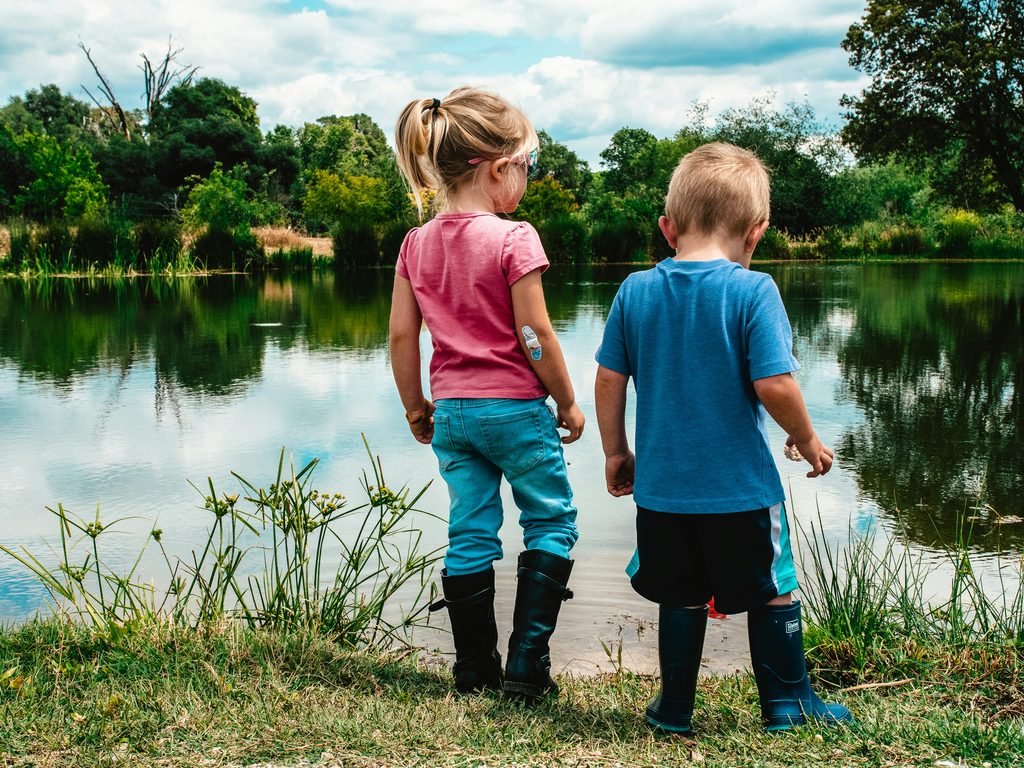
Socialization might be a bit of a buzz word when it comes to homeschooling, but it’s actually one thing I’m not very worried about it. My son has been involved in sports and other activities like gymnastics since he was 18 months old so he’s very used to be around other kids his age. We also have made some connections with other homeschool families in our area and attend events and get togethers when we are able to, however for kids to be really well socialized I think it’s equally important for them to have opportunities to socialize with all age groups including older and younger kids as well as adults. Nearly every time we leave the house offers opportunities for this whether it’s a trip to the grocery store or the library. As for learning outside the home, the workshops we attend at the local garden center as well as other events around our community offer in plenty of opportunities for learning as well as listening to and taking instruction from other adults.
Our Kindergarten Goals
Our main goal for this school year is to keep learning fun and foster a love for reading and exploring things that interest him. Rather than working from a long list of kindergarten benchmarks, I’m keeping our academic goals for the year focused on a few strong foundations that we build on as he’s ready. I want to foster his curiosity and teach him where and how to find information when he has a question or an interest and help him to see learning as something exciting and not just something to get through. I also want to use this year to figure out how he learns best as an individual so we can tailor every school year going forward to what is going to continue to work for him. If we finish kindergarten with stronger foundations in math and reading, more confidence, and the same enthusiasm for asking a million questions as he has now, I’ll consider that a successful year.
What I’m NOT Worried About This Year
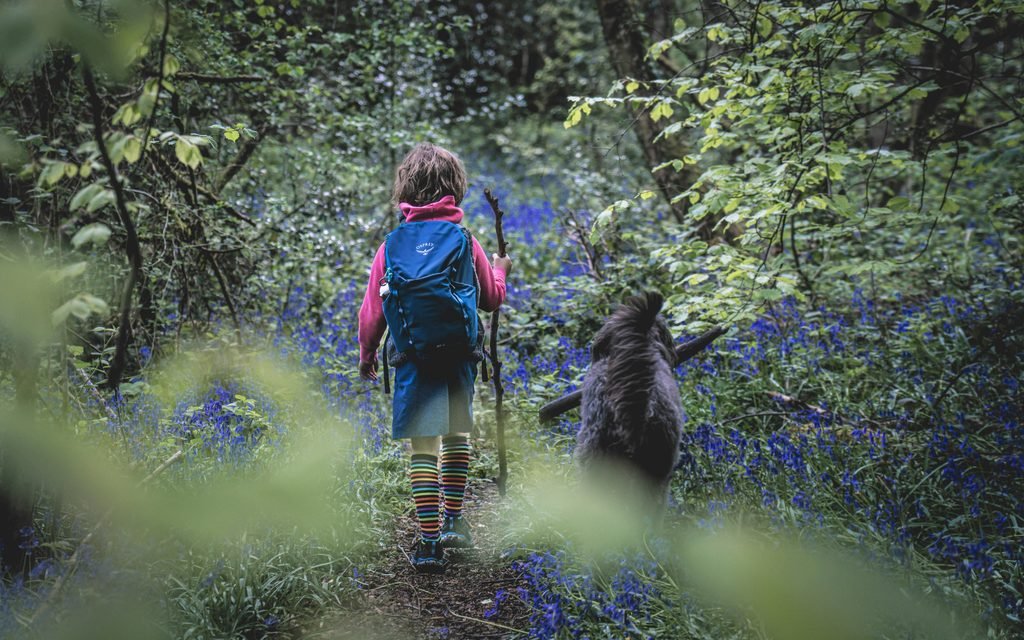
I’m not worried about trying to make each day look like a perfect school-at-home routine. Leaving room for his interest, off days, and balancing homeschooling with a baby means some days will look rather far from ideal. I’m already mentally preparing myself to go with the flow and to look outside the box for ways to get things done even if nots the normal way it’s done.
I’m also not worried about trying to push my son to have him advance quickly or meet some kind of deadline. I’m comfortable with slowing things down, meeting him where he’s at and doing things at his pace when needed in order to keep learning from becoming stressful. I believe that with him able to get more one on one instruction than the school system can offer, even if he struggles a little with one subject, I think he will catch up quickly.
What I Hope Our First Homeschool Year Looks Like
I’m going into this first year of homeschooling fully expecting it to have messy and chaotic moments. Balancing a baby who still contact naps multiple times a day with homeschooling and everything else going on in life is not going to be easy. It’s going to take planning and patience, but mostly I’m expecting it to take a lot of flexibility and a willingness to bend what ideal might look like in order to get things done. What I hope, is for my kindergarten to continue to love learning and hopefully reading, for him to make friendships within our local homeschool community, and to have him home with me spending a few hours (or less) everyday on school work and then for him and us as a family to have more time together making memories.

Homeschooling kindergarten doesn’t have to mean re-creating a classroom at home. For us, this year is about building a gentle rhythm, following his curiosity, and creating a strong foundation without rushing through these early years. I’m sure our plans may change as we figure out what works for our family, and that’s part of what I love about homeschooling, we have the freedom to adjust as we go. More than anything, I want this year to leave him excited to learn, confident in himself, and with plenty of time to simply be a kid.
If you are homeschooling Kindergarten this year too, I’d love to hear what your days look like and what resources your family is loving in the comments below.